Korean Revision Rhinoplasty for Foreign Patients
Korean revision rhinoplasty for foreign patients has become increasingly popular because Seoul and Gangnam are internationally recognized for advanced corrective nose surgery, structural reconstruction, natural-looking contour refinement, and sophisticated management of difficult rhinoplasty complications. Many international patients travel to Korea after experiencing problems such as implant complications, asymmetry, scar contracture, breathing issues, pinched tips, overprojected bridges, or unnatural previous rhinoplasty results.
Korean plastic surgeons are especially respected for revision rhinoplasty because they developed extensive expertise in structural reconstruction, scar tissue management, rib cartilage grafting, and natural facial harmony analysis while prioritizing long-term stability and elegant contour balance rather than aggressive cosmetic reshaping.

Why Foreign Patients Choose Korea for Revision Rhinoplasty
Many international patients specifically travel to Seoul because Korean surgeons are highly experienced with:
- Secondary rhinoplasty
- Implant complications
- Contracted nose correction
- Structural reconstruction
- Asian rhinoplasty anatomy
- Rib cartilage grafting
- Scar tissue management
Gangnam especially became internationally recognized for complex revision rhinoplasty specialization.
Modern Korean revision philosophy strongly focuses on:
- Natural-looking refinement
- Structural stability
- Facial harmony
- Soft contour transitions
- Long-term healing quality
rather than dramatic cosmetic transformation.
Common Reasons Foreign Patients Seek Revision Rhinoplasty
International patients commonly seek revision surgery because of:
- Crooked nose after surgery
- Implant shifting
- Silicone visibility
- Contracted nose deformity
- Pinched nasal tip
- Breathing problems
- Asymmetry
- Overly projected bridge
- Artificial appearance
- Multiple failed surgeries
Many foreign patients specifically seek Korean revision surgeons because they want correction that appears softer and more natural.
Why Korea Became Famous for Revision Rhinoplasty
Korean surgeons developed extensive revision expertise because rhinoplasty has historically been one of the most commonly performed cosmetic surgeries in Korea.
This created advanced experience in managing:
- Scar tissue
- Structural collapse
- Implant complications
- Thin skin revision
- Thick skin revision
- Contracted nose reconstruction
Gangnam especially became one of the world’s most concentrated areas for revision rhinoplasty specialization.
Silicone Implant Revision Korea
Silicone implant complications are one of the most common reasons foreign patients seek revision surgery in Korea.
Possible issues include:
- Implant shifting
- Visibility
- Infection
- Capsular contracture
- Skin thinning
- Nasal distortion
Korean revision surgeons are internationally respected for managing implant-related complications because silicone augmentation has historically been widely used in Asian rhinoplasty.
Contracted Nose Correction Korea
One of the most difficult revision problems is contracted nose deformity.
Common features include:
- Upturned nose
- Tight skin
- Shortened nose appearance
- Pinched tip
- Scar contracture
Correction often requires:
- Scar release
- Structural rebuilding
- Rib cartilage grafting
- Tissue expansion
Korean revision surgeons became globally respected because of their advanced expertise in these highly difficult reconstruction cases.
Rib Cartilage Revision Rhinoplasty Korea
Many revision cases require rib cartilage grafting because strong structural support is often necessary after previous surgeries weakened the nose.
Rib cartilage commonly provides:
- Strong support
- Long-term stability
- Better reconstruction ability
- Improved contour shaping
Korean revision surgeons are internationally respected for sophisticated rib cartilage techniques in difficult revision cases.
Why Structural Rhinoplasty Matters in Revision Surgery
Modern Korean revision rhinoplasty strongly prioritizes structural rebuilding rather than cosmetic camouflage alone.
Revision surgery commonly focuses on:
- Septal reconstruction
- Tip support rebuilding
- Nasal valve stabilization
- Structural graft layering
- Scar release
This structural approach commonly creates more stable long-term outcomes.
Why Natural Results Matter in Korean Revision Surgery
Modern Korean revision philosophy strongly avoids:
- Overly sharp contours
- Artificial bridge lines
- Excessive projection
- Aggressive narrowing
Instead, Korean surgeons commonly prioritize:
- Softer contours
- Facial harmony
- Elegant refinement
- Natural balance
especially when tissues have already been compromised by previous surgeries.
Thin Skin and Thick Skin Management Korea
Revision rhinoplasty becomes especially challenging in patients with:
- Thin skin
- Thick skin
- Scar tissue
- Multiple previous surgeries
Korean surgeons commonly use sophisticated graft layering and contour balancing techniques to create smoother and more natural transitions.
Functional Problems and Breathing Issues
Many foreign patients seek revision surgery because of breathing difficulty after previous rhinoplasty.
Revision surgery may improve:
- Internal valve collapse
- Nasal obstruction
- Structural instability
- Septal deviation
Functional correction is often just as important as cosmetic improvement.
Why Foreign Patients Prefer Gangnam
Many foreign patients travel to Gangnam because clinics commonly provide:
- English-speaking coordinators
- International consultation systems
- Structured recovery programs
- Frequent follow-up care
- Recovery support for travelers
Gangnam also has one of the highest concentrations of revision rhinoplasty specialists in the world.
Korean Revision Rhinoplasty Philosophy Focuses on Long-Term Healing
Korean surgeons commonly emphasize that revision rhinoplasty results evolve gradually over time.
The philosophy strongly prioritizes:
- Tissue preservation
- Structural healing
- Scar stabilization
- Long-term contour balance
Patients are commonly advised not to judge results too early because swelling and scar tissue continue changing gradually for many months.
Recovery After Revision Rhinoplasty Korea
Recovery after revision surgery is usually slower than primary rhinoplasty because tissues already contain:
- Scar tissue
- Structural changes
- Reduced flexibility
- Previous surgical trauma
Patients commonly experience:
- Longer swelling duration
- More tip swelling
- Greater stiffness
- Slower contour settling
This is completely normal after revision surgery.
How Long Should Foreign Patients Stay in Korea?
Many clinics recommend international revision patients remain in Seoul approximately:
- 10–14 days
or longer
depending on:
- Surgical complexity
- Rib cartilage use
- Contracted nose severity
- Healing condition
This allows time for:
- Splint removal
- Early swelling management
- Recovery monitoring
- Follow-up care
Why Korean Recovery Systems Are Highly Respected
Korean clinics are internationally known for highly organized postoperative care systems.
Many clinics commonly provide:
- Anti-swelling laser therapy
- Scar management
- Recovery monitoring
- Frequent follow-up visits
- International coordinators
This recovery-focused culture is one reason Seoul remains globally respected for revision rhinoplasty.
Popular Revision Rhinoplasty Clinics in Gangnam
Some clinics internationally known for revision rhinoplasty and secondary nose surgery include:
- The Plus Plastic Surgery
- MINE Plastic Surgery
- BANOBAGI Plastic Surgery
- Grand Plastic Surgery
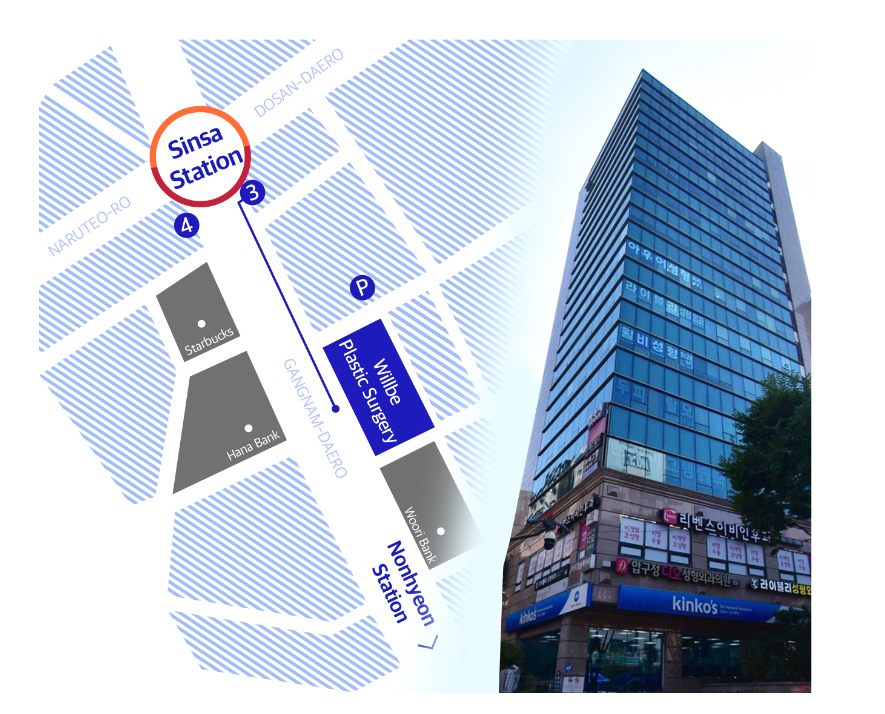
- Will Be Plastic Surgery
These clinics are commonly recognized among foreign patients researching structural revision rhinoplasty and corrective nose surgery in Seoul.
Choosing the Right Revision Rhinoplasty Surgeon
Patients should carefully evaluate:
Structural Reconstruction Experience
Especially important for:
- Multiple previous surgeries
- Contracted nose
- Thin skin
- Implant complications
- Breathing issues
Natural-Looking Results
Review before-and-after photos for:
- Soft contour transitions
- Facial harmony
- Balanced projection
- Long-term stability
Honest Consultation Style
Strong revision surgeons should explain:
- Structural limitations
- Scar tissue challenges
- Healing expectations
- Long-term recovery
rather than overpromising dramatic correction.
Why Patience Matters After Revision Surgery
Revision rhinoplasty healing commonly continues evolving for:
- 6–12 months
or longer
depending on:
- Skin thickness
- Scar tissue severity
- Structural reconstruction
- Surgical complexity
Natural refinement develops gradually over time.
Final Thoughts on Korean Revision Rhinoplasty for Foreign Patients
Korean revision rhinoplasty for foreign patients focuses on restoring structural stability, natural contour balance, facial harmony, and long-term healing through advanced scar tissue management, rib cartilage reconstruction, contracted nose correction, and sophisticated structural rhinoplasty techniques that avoid artificial appearance while improving both cosmetic and functional concerns. Korean revision rhinoplasty surgeons are internationally respected for advanced reconstructive expertise, elegant aesthetic philosophy, highly organized recovery systems, and natural-looking contour refinement that create softer and more stable long-term results even in highly complex revision cases.
With advanced revision expertise, sophisticated postoperative care systems, and internationally recognized reconstructive rhinoplasty philosophy, Seoul and Gangnam continue to remain among the world’s leading destinations for revision nose surgery and corrective rhinoplasty.