Revision Rhinoplasty for Pinched Nose Correction Seoul
Revision rhinoplasty for pinched nose correction in Seoul has become increasingly common because many patients seek repair after previous rhinoplasty created overly narrow nostrils, collapsed tip structure, breathing difficulty, or unnatural nasal contours. Korean plastic surgeons are internationally respected for advanced revision rhinoplasty techniques that restore structural stability, improve airflow, soften unnatural contours, and create more balanced and natural-looking noses while preserving facial harmony.

What Is a Pinched Nose?
A pinched nose usually refers to excessive narrowing of the nasal tip or nostril area after rhinoplasty.
Common features include:
- Narrow nostrils
- Pinched nasal tip
- Collapsed sidewalls
- Sharp unnatural contours
- Weak tip support
- Breathing difficulty
- Tight scar tissue
The nose may appear:
- Artificial
- Overly thin
- Collapsed
- Structurally weak
especially from the front or three-quarter angle.
Why Pinched Nose Happens After Rhinoplasty
Pinched nose deformity commonly develops because of:
- Excessive cartilage removal
- Weak structural support
- Over-aggressive narrowing
- Scar contracture
- Poor healing
- Multiple previous surgeries
Some older rhinoplasty techniques removed too much cartilage in an attempt to create a smaller or sharper nose.
Over time, this may weaken nasal support and cause collapse.
Why Korea Is Famous for Pinched Nose Correction
Korea became internationally recognized for revision rhinoplasty because Korean surgeons gained extensive experience correcting:
- Pinched tips
- Contracted noses
- Structural collapse
- Scar tissue problems
- Silicone implant complications
Gangnam especially became one of the world’s leading centers for revision rhinoplasty specialization.
Modern Korean revision philosophy strongly avoids:
- Overly sharp noses
- Aggressive narrowing
- Artificial bridge lines
- Excessive projection
Instead, surgeons commonly prioritize:
- Structural stability
- Softer contours
- Natural balance
- Elegant refinement
Why Pinched Nose Often Causes Breathing Problems
A pinched nose is not only a cosmetic issue.
Excessive narrowing may weaken the nasal valves and create:
- Airflow obstruction
- Breathing difficulty
- Nasal collapse during inhalation
- Structural instability
Functional correction is often just as important as cosmetic improvement during revision surgery.
Structural Reconstruction Is Extremely Important
Modern Korean revision rhinoplasty strongly prioritizes structural rebuilding rather than cosmetic camouflage alone.
Pinched nose correction commonly involves:
- Cartilage grafting
- Tip support rebuilding
- Nasal valve stabilization
- Scar tissue release
- Structural reinforcement
This structural approach often creates more stable long-term results.
Cartilage Grafting for Pinched Nose Korea
Many revision cases require cartilage grafting to rebuild weakened nasal support.
Common graft sources include:
- Septal cartilage
- Ear cartilage
- Rib cartilage
The ideal graft depends on:
- Severity of collapse
- Previous surgeries
- Remaining nasal structure
- Skin thickness
Rib Cartilage Revision Rhinoplasty Korea
Severe pinched nose deformities often require rib cartilage because strong structural support is necessary.
Rib cartilage commonly provides:
- Strong reconstruction ability
- Long-term stability
- Better support for collapsed noses
- Improved contour rebuilding
Korean revision surgeons are internationally respected for sophisticated rib cartilage reconstruction techniques.
Ear Cartilage for Tip Softening Korea
Some patients with milder pinched noses may benefit from ear cartilage grafting.
Ear cartilage commonly helps:
- Soften sharp contours
- Improve tip balance
- Restore natural curvature
- Support weakened areas
Korean surgeons commonly prioritize soft and natural tip transitions rather than overly rigid shaping.
Scar Tissue Management Korea
Pinched noses commonly contain significant scar tissue.
Scar contracture may continue pulling the nose inward over time.
Revision surgery often involves:
- Scar release
- Structural expansion
- Tissue repositioning
- Support grafting
Korean revision surgeons are internationally respected for delicate scar tissue management.
Contracted Nose and Pinched Nose Korea
Pinched nose deformity sometimes overlaps with contracted nose.
Contracted noses may appear:
- Shortened
- Upturned
- Tight
- Structurally collapsed
Correction commonly requires:
- Scar release
- Structural rebuilding
- Rib cartilage support
- Long-term tissue stabilization
Why Natural Results Matter in Korean Revision Surgery
Modern Korean revision philosophy strongly emphasizes:
- Softer contour transitions
- Balanced projection
- Facial harmony
- Natural-looking refinement
Patients increasingly seek noses that look:
- Elegant
- Balanced
- Structurally healthy
- Naturally attractive
without obvious signs of revision surgery.
Thin Skin Challenges in Pinched Nose Revision
Thin skin often makes pinched deformities more visible because:
- Cartilage edges become noticeable
- Irregularities show easily
- Structural weakness appears more obvious
Korean revision surgeons commonly use layered grafting techniques and soft tissue balancing to improve contour smoothness.
Thick Skin Challenges Korea
Patients with thick skin may experience:
- Slower refinement
- Persistent swelling
- Heavier tip appearance
Strong structural support is often especially important in thick skin revision rhinoplasty.
Why Korean Revision Results Look Softer
Korean surgeons commonly prioritize:
- Smooth contour flow
- Natural tip definition
- Elegant bridge transitions
- Long-term structural harmony
rather than aggressively narrowing the nose again.
This philosophy often creates softer and more natural revision results.
Recovery After Pinched Nose Revision Korea
Recovery after revision rhinoplasty is usually longer than primary rhinoplasty because tissues already contain:
- Scar tissue
- Structural changes
- Reduced flexibility
- Previous surgical trauma
Patients commonly experience:
- Longer swelling duration
- Tip stiffness
- More prolonged refinement
- Slower contour settling
This is completely normal after revision surgery.
How Long Should Foreign Patients Stay in Korea?
Many clinics recommend international revision patients remain in Seoul approximately:
- 10–14 days
or longer
depending on:
- Surgical complexity
- Rib cartilage use
- Scar tissue severity
- Healing condition
This allows time for:
- Splint removal
- Early swelling management
- Recovery monitoring
- Follow-up care
Why Korean Recovery Systems Are Highly Respected
Korean clinics are internationally known for sophisticated postoperative care systems.
Many clinics commonly provide:
- Anti-swelling laser therapy
- Scar management
- Recovery monitoring
- Frequent follow-up visits
- International coordinators
This recovery-focused culture is one reason Seoul remains globally respected for revision rhinoplasty.
Popular Revision Rhinoplasty Clinics in Gangnam
Some clinics internationally known for revision rhinoplasty and structural reconstruction include:
- The Plus Plastic Surgery
- BANOBAGI Plastic Surgery
- Grand Plastic Surgery
- MINE Plastic Surgery
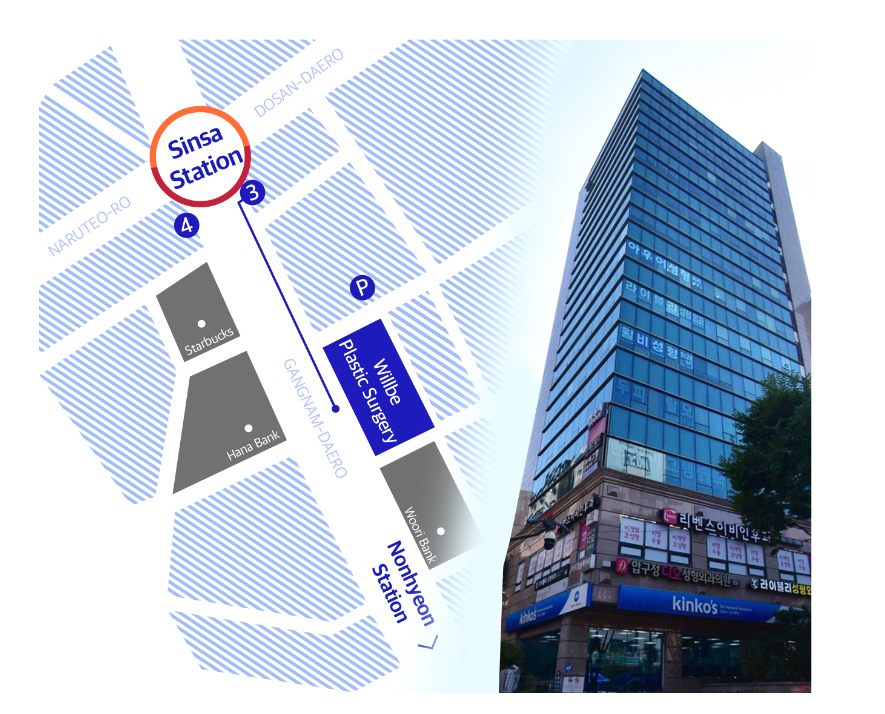
- Will Be Plastic Surgery
These clinics are commonly recognized among foreign patients researching complex revision rhinoplasty and pinched nose correction in Seoul.
Choosing the Right Revision Rhinoplasty Surgeon
Patients should carefully evaluate:
Structural Reconstruction Expertise
Especially important for:
- Pinched noses
- Contracted noses
- Multiple previous surgeries
- Breathing problems
- Thin skin revision
Natural-Looking Results
Review before-and-after photos for:
- Soft contour transitions
- Balanced projection
- Natural tip definition
- Facial harmony
Honest Consultation Style
Strong revision surgeons should explain:
- Structural limitations
- Scar tissue challenges
- Healing expectations
- Long-term recovery
rather than overpromising dramatic correction.
Why Patience Matters After Revision Surgery
Pinched nose revision healing commonly continues evolving for:
- 6–12 months
or longer
depending on:
- Skin thickness
- Scar tissue severity
- Structural reconstruction
- Surgical complexity
Natural refinement develops gradually over time.
Final Thoughts on Revision Rhinoplasty for Pinched Nose Correction Seoul
Revision rhinoplasty for pinched nose correction in Seoul focuses on restoring structural stability, natural contour balance, nasal airflow, and elegant facial harmony through advanced cartilage grafting, scar tissue management, structural rebuilding, and sophisticated revision rhinoplasty techniques that avoid artificial narrowing while creating softer and more natural long-term results. Korean revision rhinoplasty surgeons are internationally respected for advanced reconstructive expertise, rib cartilage reconstruction techniques, delicate scar management, and highly refined aesthetic philosophy that restore both cosmetic balance and functional nasal support even in highly complex revision cases.
With advanced revision expertise, sophisticated postoperative care systems, and internationally recognized reconstructive rhinoplasty philosophy, Seoul and Gangnam continue to remain among the world’s leading destinations for pinched nose correction and revision rhinoplasty.