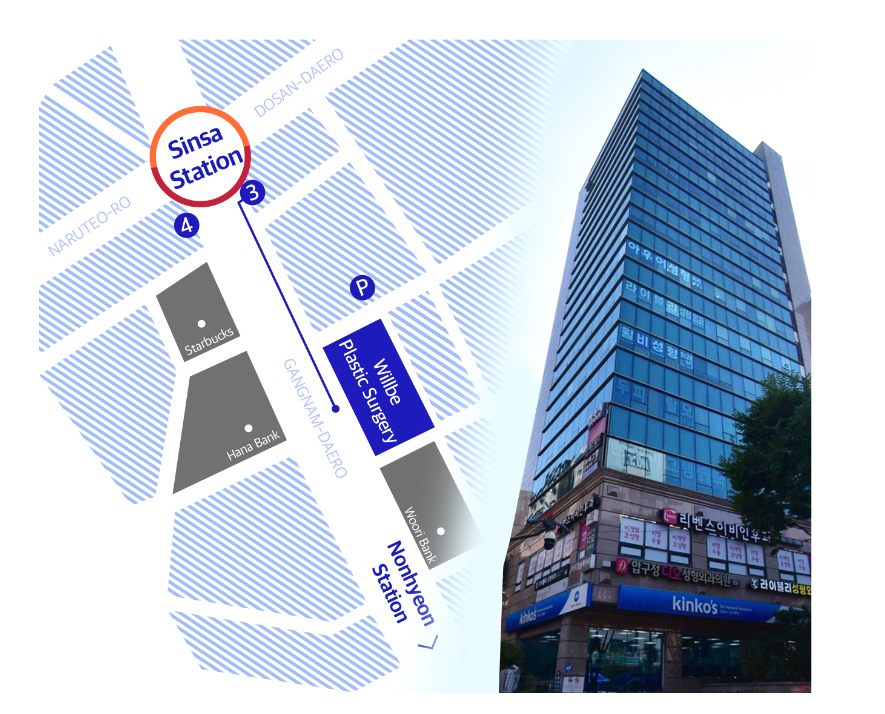
Asian Revision Rhinoplasty for Foreign Patients
Asian revision rhinoplasty for foreign patients has become one of the most requested plastic surgery procedures in Korea. Patients from the United States, Canada, Australia, Southeast Asia, Europe, and the Middle East travel to Seoul seeking advanced corrective nose surgery performed by surgeons experienced in Asian rhinoplasty anatomy and complex revision techniques.
Revision rhinoplasty is significantly more difficult than primary nose surgery because surgeons must correct previous surgical outcomes while rebuilding structural support and maintaining natural facial harmony. Korea is internationally recognized for sophisticated Asian revision rhinoplasty techniques that focus on elegant refinement, functional improvement, and long-term stability.

What Is Asian Revision Rhinoplasty?
Asian revision rhinoplasty is a corrective nose surgery performed after a previous rhinoplasty that did not achieve the desired result or caused complications.
Revision surgery may address:
- Implant problems
- Crooked nose deformity
- Contracted nose
- Bulbous tip
- Wide nose appearance
- Asymmetry
- Breathing difficulty
- Short nose correction
- Pinched nasal tip
- Unnatural-looking bridge height
- Scar tissue problems
Asian revision rhinoplasty requires specialized understanding of Asian nasal anatomy, skin thickness, cartilage structure, and aesthetic proportions.
Why Foreign Patients Travel to Korea for Revision Rhinoplasty
Seoul has become one of the leading global destinations for revision rhinoplasty because Korean plastic surgeons perform a high volume of complex Asian nose surgeries every year.
Foreign patients often choose Korea because of:
- Advanced revision rhinoplasty expertise
- Specialized Asian nose surgery techniques
- Natural-looking results
- Sophisticated rib cartilage reconstruction
- Extensive implant revision experience
- Detailed facial harmony analysis
- Comprehensive postoperative care
Many patients specifically seek Korean surgeons after unsuccessful rhinoplasty procedures performed elsewhere.
Differences Between Asian and Western Rhinoplasty
Asian rhinoplasty often requires a different surgical approach compared to Western rhinoplasty because of anatomical differences.
Common Asian rhinoplasty characteristics may include:
- Lower nasal bridge
- Thicker skin
- Weaker cartilage support
- Wider nasal base
- Less tip projection
Revision surgery must carefully account for these structural differences while preserving natural ethnic harmony.
Korean surgeons are particularly experienced in creating refined and balanced results without making the nose appear overly artificial or overdone.
Common Reasons Foreign Patients Need Asian Revision Rhinoplasty
Silicone Implant Complications
Many revision patients seek correction after problems involving silicone implants such as:
- Implant shifting
- Visible implant edges
- Skin thinning
- Artificial appearance
- Contracted nose deformity
Korean revision specialists frequently perform advanced silicone implant revision surgery.
Contracted Nose Correction
Contracted nose deformity is one of the most difficult revision rhinoplasty complications.
Symptoms may include:
- Shortened nose appearance
- Upturned nostrils
- Tight scar tissue
- Distorted shape
- Stiff nasal skin
Korea is internationally recognized for advanced contracted nose correction techniques using rib cartilage reconstruction.
Bulbous or Wide Nose Revision
Some patients remain unhappy after primary rhinoplasty because the tip still appears:
- Wide
- Thick
- Rounded
- Undefined
Revision surgery can improve contour, support, and overall balance while maintaining natural softness.
Crooked Nose Revision
Asymmetry or deviation after previous surgery may require advanced structural reconstruction and septal correction.
Rib Cartilage Revision Rhinoplasty in Korea
Rib cartilage plays a major role in advanced Asian revision rhinoplasty because many revision patients lack sufficient remaining septal cartilage after previous surgery.
Rib cartilage is commonly used for:
- Contracted nose correction
- Structural reconstruction
- Nasal lengthening
- Severe asymmetry correction
- Multiple revision surgeries
- Tip support reinforcement
Korean surgeons are especially known for sophisticated rib cartilage shaping techniques that create natural-looking results.
Why Natural-Looking Results Matter in Asian Revision Rhinoplasty
Many foreign patients travel to Korea specifically because they prefer more elegant and natural refinement rather than dramatic or exaggerated changes.
Korean revision rhinoplasty often focuses on:
- Balanced bridge height
- Softer nasal contours
- Natural tip definition
- Facial harmony
- Stable structural support
The goal is not simply making the nose higher or smaller, but creating a nose shape that fits naturally with the patient’s facial proportions.
Functional Correction in Revision Rhinoplasty
Asian revision rhinoplasty is not only cosmetic. Many patients also experience breathing problems after previous surgery.
Functional correction may involve:
- Septal reconstruction
- Internal valve support
- Scar tissue release
- Structural reinforcement
Improving airflow and long-term nasal stability is an important part of successful revision surgery.
Recovery After Asian Revision Rhinoplasty
Recovery after revision rhinoplasty is usually longer than primary nose surgery because reconstruction is more complex.
Typical recovery includes:
- Swelling and bruising during the first 1–2 weeks
- Longer-lasting tip swelling
- Gradual shape refinement over several months
- Final results appearing after up to one year
Patients undergoing rib cartilage revision surgery may also experience temporary discomfort around the donor site.
Most foreign patients stay in Seoul for approximately 1–2 weeks after surgery for follow-up appointments and postoperative care.
International Patient Support in Korea
Many Korean plastic surgery clinics are highly experienced in caring for international patients.
Foreign patients often receive:
- English-speaking coordinators
- Airport transfer assistance
- Hotel recommendations
- Translation support
- Personalized consultations
- Detailed recovery guidance
This organized support system makes Korea especially attractive for overseas revision rhinoplasty patients.
What to Look for in an Asian Revision Rhinoplasty Surgeon
Choosing the right revision surgeon is critical for successful outcomes.
Patients should carefully evaluate:
Revision Rhinoplasty Experience
Complex revision surgery requires highly specialized expertise.
Before-and-After Results
Look for natural-looking, balanced, and consistent outcomes.
Asian Rhinoplasty Specialization
Understanding Asian nasal anatomy is essential.
Structural Reconstruction Skills
The surgeon should prioritize long-term support and breathing function.
Honest Consultation
A good revision surgeon explains realistic expectations clearly.
Final Thoughts on Asian Revision Rhinoplasty for Foreign Patients
Asian revision rhinoplasty is one of the most complex forms of cosmetic surgery, requiring advanced technical skill, aesthetic judgment, and structural expertise. Korea has become a global leader in revision rhinoplasty because of its experienced surgeons, sophisticated reconstruction techniques, and natural aesthetic philosophy.
For foreign patients seeking correction after previous rhinoplasty, Seoul offers advanced revision expertise, personalized care, and highly refined surgical approaches designed to restore both appearance and structural stability.