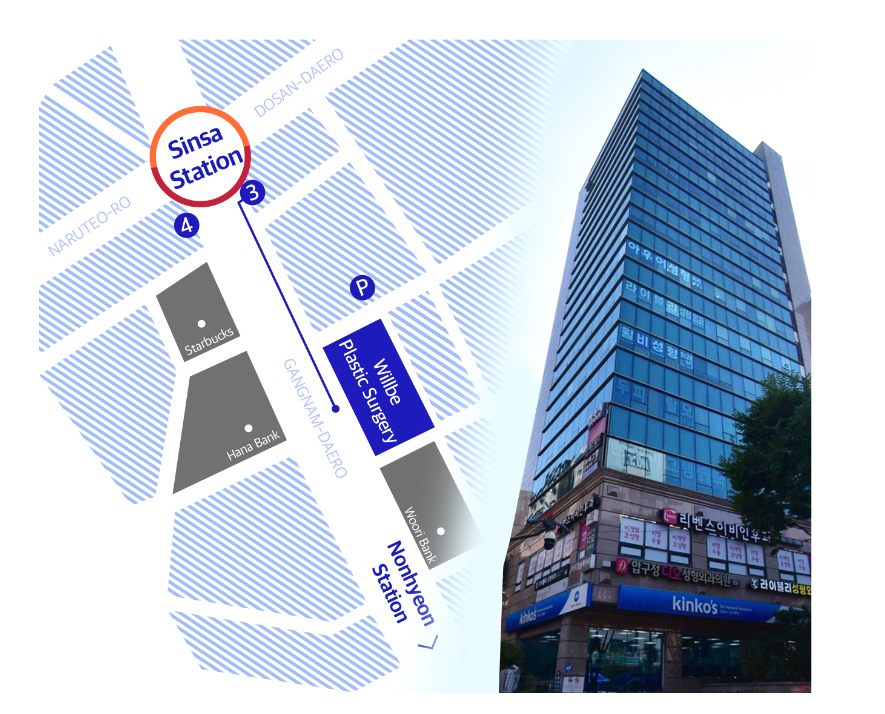
Facelift Surgery Under General Anesthesia Seoul
Facelift surgery under general anesthesia in Seoul is one of the most common approaches for patients undergoing comprehensive facial rejuvenation procedures such as SMAS facelift, deep plane facelift, neck lift surgery, and combined anti-aging operations. Many international patients travel to Korea because Korean plastic surgeons are internationally recognized for advanced facelift techniques, sophisticated anesthesia systems, and natural-looking anti-aging results.
General anesthesia allows facelift surgeons to perform detailed and precise facial rejuvenation procedures while maximizing patient comfort and surgical control. In Seoul, especially in Gangnam, facelift surgery is commonly performed in highly specialized plastic surgery hospitals and clinics with dedicated anesthesia teams and structured postoperative monitoring systems.

What Is General Anesthesia?
General anesthesia is a medically controlled state in which the patient is fully asleep during surgery.
Under general anesthesia:
- Patients do not feel pain
- Patients remain unconscious
- Breathing and vital signs are monitored continuously
- The surgical team can perform more extensive procedures comfortably
General anesthesia is commonly used for longer and more complex anti-aging surgeries.
Why Facelift Surgery Is Often Performed Under General Anesthesia
Many facelift procedures involve deeper tissue dissection and detailed structural repositioning.
General anesthesia allows surgeons to perform:
- Deep plane facelift
- SMAS facelift
- Neck lift
- Platysmaplasty
- Fat grafting
- Combined facial rejuvenation procedures
more safely and comfortably over several hours.
Patients are also able to remain completely relaxed throughout surgery.
What Types of Facelift Surgery Usually Require General Anesthesia?
Deep Plane Facelift
Deep plane facelift is one of the most advanced facelift techniques commonly performed under general anesthesia in Seoul.
The surgery lifts deeper facial structures beneath the SMAS layer to improve:
- Jowls
- Midface sagging
- Nasolabial folds
- Jawline aging
- Neck laxity
Because deep plane facelift involves extensive structural repositioning, general anesthesia is frequently preferred.
SMAS Facelift
SMAS facelift may also be performed under general anesthesia, especially when combined with:
- Neck lift
- Fat grafting
- Blepharoplasty
- Brow lift
Some smaller SMAS procedures may occasionally be performed with IV sedation depending on the clinic and patient condition.
Full Face and Neck Lift
Comprehensive face and neck rejuvenation procedures are commonly performed under general anesthesia because they often require:
- Longer surgical time
- Deeper tissue work
- More extensive contour correction
Is General Anesthesia Safe for Facelift Surgery?
Modern general anesthesia is generally considered very safe when performed by qualified medical professionals.
In Korea, facelift surgery under general anesthesia is commonly monitored by:
- Board-certified anesthesiologists
- Specialized anesthesia teams
- Continuous vital sign monitoring systems
Patient safety protocols commonly include:
- Preoperative medical evaluation
- Blood tests
- Cardiac assessment when necessary
- Oxygen monitoring
- Blood pressure monitoring
Korean plastic surgery clinics often place strong emphasis on surgical safety and postoperative observation.
Why Many Korean Clinics Prefer General Anesthesia for Facelift Surgery
Many Korean facelift surgeons prefer general anesthesia because it allows:
- More precise surgery
- Better facial symmetry correction
- Less patient movement
- More comfortable surgical conditions
- Longer combined procedures
This is especially important during deep plane facelift surgery where delicate facial structures are carefully repositioned.
How Long Does Facelift Surgery Under General Anesthesia Take?
Surgery time depends on the procedures performed.
Approximate durations may include:
Mini Facelift
- Approximately 2–4 hours
SMAS Facelift
- Approximately 4–6 hours
Deep Plane Face and Neck Lift
- Approximately 5–8 hours
Combined procedures such as blepharoplasty or fat grafting may extend total surgical time.
What Happens Before General Anesthesia?
Before surgery, patients usually undergo:
- Medical consultation
- Blood testing
- Health evaluation
- Anesthesia assessment
- Medication review
Patients are commonly instructed to:
- Fast for approximately 8 hours before surgery
- Avoid smoking and alcohol
- Stop certain medications if advised
- Remove jewelry and makeup
International patients in Seoul are often guided carefully through the preparation process by clinic coordinators.
What Happens After Facelift Surgery?
After surgery, patients are moved to a recovery area for monitoring.
Patients may experience:
- Drowsiness
- Swelling
- Tightness
- Mild discomfort
- Temporary throat dryness from anesthesia
Most clinics monitor patients closely during the immediate postoperative period.
Some larger facelift procedures may involve:
- One night of hospitalization
- Drain placement temporarily
- Compression garments
Recovery After General Anesthesia
Most patients gradually feel more alert within several hours after surgery.
However, temporary symptoms may include:
- Fatigue
- Grogginess
- Mild nausea
- Dry mouth
- Swelling
Patients are generally advised to:
- Rest well
- Stay hydrated
- Walk lightly
- Avoid strenuous activity initially
Why International Patients Choose Seoul for Facelift Surgery
Seoul has become one of the world’s leading destinations for anti-aging surgery because Korean plastic surgeons are internationally respected for:
- Natural-looking facelift results
- Advanced deep plane facelift expertise
- Sophisticated SMAS techniques
- Hidden incision methods
- Detailed postoperative care
- Elegant facial rejuvenation philosophy
Many clinics also provide:
- English-speaking coordinators
- Online consultations
- Airport transfer assistance
- Recovery support systems
Gangnam is especially known for high-volume facial rejuvenation surgery expertise.
Deep Plane Facelift Under General Anesthesia Korea
Deep plane facelift surgery under general anesthesia is especially popular in Korea because it allows surgeons to carefully reposition deeper facial structures while preserving natural facial movement.
Patients often choose deep plane facelift for improvement of:
- Heavy jowls
- Midface descent
- Neck laxity
- Deep smile lines
- Lower face heaviness
Korean surgeons are internationally respected for elegant and natural deep plane facelift outcomes.
Hidden Incision Facelift Techniques
Korean facelift surgeons place significant attention on scar concealment.
Incisions are commonly hidden:
- Around natural ear contours
- Behind the ears
- Within the hairline
Careful incision placement helps minimize visible surgical signs after healing.
How Long Should International Patients Stay in Korea?
Most facelift patients are advised to remain in Seoul for approximately:
- 10–14 days
- Longer for combined procedures
This allows time for:
- Recovery monitoring
- Follow-up visits
- Stitch removal
- Swelling management
- Early healing observation
Emotional Concerns About General Anesthesia
Many patients feel nervous before anesthesia, especially when traveling internationally for surgery.
It is important to know that:
- General anesthesia is extremely common in facelift surgery
- Korean clinics perform facial rejuvenation surgeries daily
- Modern monitoring systems are highly advanced
- Anesthesia teams continuously monitor patient safety
Experienced clinics carefully evaluate patient health before surgery to reduce risks as much as possible.
Choosing the Right Facelift Surgeon and Clinic
Patients should carefully evaluate:
Facelift Specialization
Choose surgeons experienced specifically in anti-aging facial surgery.
Anesthesia Safety Systems
Look for clinics with qualified anesthesia teams and proper monitoring systems.
Before-and-After Results
Review natural-looking facelift outcomes carefully.
Postoperative Care
Recovery support is extremely important for international patients.
Honest Consultation
Experienced surgeons should explain surgical plans and anesthesia details clearly.
Final Thoughts on Facelift Surgery Under General Anesthesia Seoul
Facelift surgery under general anesthesia in Seoul is one of the most common and effective approaches for comprehensive facial rejuvenation procedures such as SMAS facelift, deep plane facelift, and neck lift surgery. Korean plastic surgeons are internationally respected for advanced facelift techniques, natural-looking anti-aging results, and structured patient safety systems.
With experienced anesthesia teams, sophisticated surgical methods, and detailed postoperative care, Seoul continues to be one of the world’s leading destinations for facelift surgery and facial rejuvenation under general anesthesia.