Korean Plastic Surgery Recovery for Tourists in Korea
Korean plastic surgery recovery for tourists in Korea is one of the reasons Seoul has become one of the world’s leading medical tourism destinations. Korean clinics are internationally respected not only for advanced surgical techniques and natural-looking results, but also for highly organized postoperative care systems designed specifically for foreign patients.
Many international patients travel to Seoul and Gangnam for procedures such as facelift surgery, rhinoplasty, blepharoplasty, facial contouring, liposuction, breast surgery, and skin rejuvenation because Korean clinics commonly provide structured recovery management, multilingual support, and intensive follow-up care throughout the healing process.
Understanding how recovery works in Korea helps international patients prepare more comfortably and confidently before surgery.

Why Korea Is Popular for Plastic Surgery Tourism
Korea has become globally famous for cosmetic surgery because Korean plastic surgeons are internationally respected for:
- Natural-looking results
- Sophisticated facial harmony
- Advanced revision expertise
- High surgical volume
- Delicate scar management
- Modern recovery systems
Gangnam especially is internationally known for advanced facial rejuvenation and aesthetic surgery specialization.
Why Recovery Care in Korea Is Different
One major difference in Korea is the strong emphasis on postoperative management.
Many Korean clinics provide recovery-focused services such as:
- Frequent follow-up visits
- Anti-swelling laser therapy
- Swelling injections
- Lymphatic drainage massage
- Scar management
- Detailed recovery monitoring
These systems are especially helpful for international patients recovering away from home.
Typical Recovery Timeline for Tourists
Recovery length depends on the procedure performed.
Non-Surgical Treatments
Procedures such as:
- Botox
- Fillers
- Skin boosters
- Laser treatments
- Ultherapy
- Thermage
usually allow tourists to continue sightseeing with minimal downtime.
Minor Surgery
Procedures such as:
- Double eyelid surgery
- Ptosis correction
- Facial liposuction
commonly require approximately:
- 5–7 days in Korea
for follow-up visits and swelling monitoring.
Major Facial Surgery
Procedures such as:
- Facelift
- Revision rhinoplasty
- Facial contour surgery
commonly require approximately:
- 2–3 weeks stay
depending on surgical complexity.
Why International Patients Stay in Gangnam
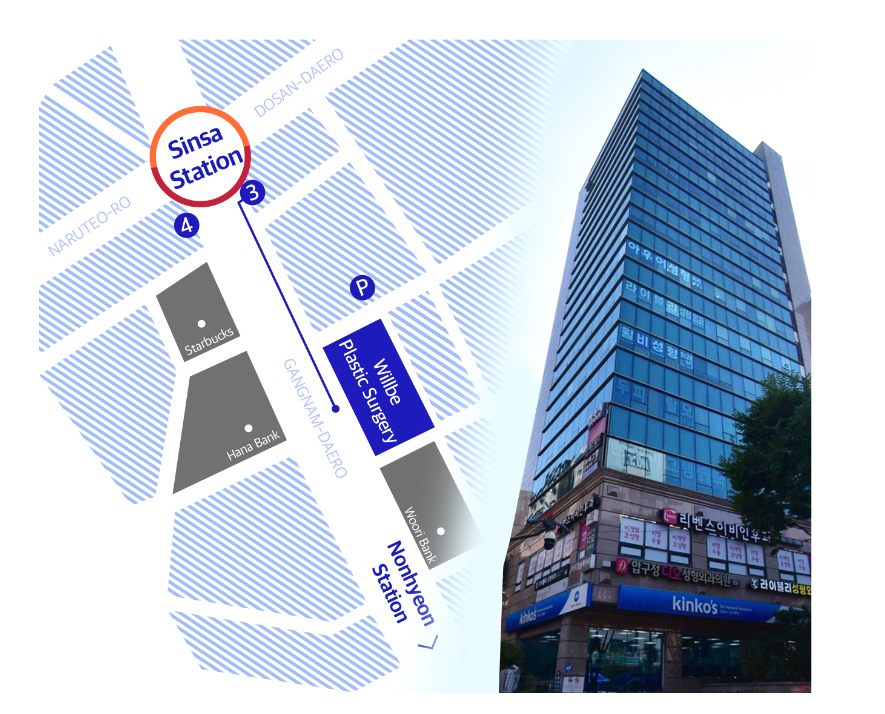
Gangnam is the center of Korea’s plastic surgery industry.
Many foreign patients stay there because:
- Clinics are concentrated nearby
- Recovery facilities are convenient
- English-speaking services are more common
- Transportation is easier
- Medical tourism infrastructure is highly developed
Many clinics also help coordinate nearby hotels for postoperative recovery.
Airport Pickup and Tourist Support
Many Korean clinics assisting foreign patients commonly provide:
- Airport transfer arrangements
- Hotel booking assistance
- Translation services
- Recovery coordination
- Medical tourism support
These services make recovery easier for patients unfamiliar with Korea.
Swelling After Korean Plastic Surgery
Swelling is a completely normal part of recovery.
The amount varies depending on:
- Procedure type
- Individual healing
- Revision surgery complexity
- Skin thickness
Most swelling is usually most noticeable during:
- First several days
- First 1–2 weeks
Korean clinics commonly provide active swelling management throughout recovery.
Anti-Swelling Care Korea
Many clinics provide:
- Anti-swelling laser therapy
- Cooling therapy
- Swelling injections
- Compression garments
- Recovery medication
These treatments are commonly included in Korean postoperative care systems.
Lymphatic Drainage Massage Korea
Lymphatic drainage massage is especially popular after:
- Facelift surgery
- Facial contour surgery
- Rhinoplasty
- Liposuction
The massage may help support:
- Swelling reduction
- Bruising improvement
- Fluid circulation
- Recovery comfort
Many clinics recommend professional postoperative massage during the early healing phase.
Recovery After Rhinoplasty Korea
Rhinoplasty recovery commonly includes:
First Week
- Swelling
- Bruising
- Nasal congestion
- Splint placement
Week 1–2
- Splint removal
- Reduced bruising
- Early contour visibility
Several Months
Final nasal refinement continues gradually because nose swelling resolves slowly.
Revision rhinoplasty recovery often takes longer.
Recovery After Facelift Korea
Facelift recovery commonly includes:
First Several Days
- Swelling
- Tightness
- Bruising
- Facial numbness
Weeks 1–2
- Significant swelling reduction
- Softer facial contours
- Improved comfort
Several Months
Final contour refinement continues gradually as tissues settle naturally.
Recovery After Blepharoplasty Korea
Blepharoplasty recovery commonly includes:
First Several Days
- Swelling
- Mild bruising
- Tightness
Weeks 1–2
- Improved eye contour
- Reduced bruising
- Softer eyelid appearance
Many patients become socially comfortable relatively quickly after eyelid surgery.
Scar Management Korea
Korean clinics place strong emphasis on scar minimization.
Common scar care includes:
- Scar ointments
- Laser scar management
- Silicone therapy
- Follow-up monitoring
Facelift and eyelid surgery incisions are commonly hidden carefully within natural contours.
Why Korean Plastic Surgery Looks Natural
Korean aesthetic philosophy often emphasizes:
- Balanced facial harmony
- Soft contour transitions
- Preserving facial identity
- Natural facial movement
- Avoiding exaggerated appearance
Patients increasingly prefer refreshed and youthful appearance rather than dramatic transformation.
What Tourists Should Prepare Before Surgery
International patients are commonly advised to prepare:
- Comfortable button-up clothing
- Compression garments if needed
- Travel insurance
- Medication information
- Recovery schedule planning
Patients are also commonly advised to:
- Avoid smoking
- Limit alcohol
- Follow fasting instructions carefully
- Remove nail polish before surgery
depending on anesthesia type.
Hospitalization in Korea
Some surgeries require hospitalization.
Common examples include:
- Facelift surgery
- Facial contour surgery
- Major revision surgery
Hospital stays commonly range from:
- Same-day discharge
to - 1–4 nights
depending on the procedure.
Why Korea Is Strong in Revision Surgery Recovery
Many patients travel to Korea for revision procedures because Korean surgeons are internationally respected for:
- Scar tissue management
- Advanced reconstruction
- Sophisticated revision techniques
- Detailed postoperative monitoring
Revision recovery often requires more patience because tissues are more delicate.
Emotional Recovery After Plastic Surgery
Many patients feel emotional during recovery because:
- Swelling changes daily
- Bruising may look dramatic temporarily
- Results evolve gradually
This is completely normal.
Most Korean clinics provide structured follow-up support to reassure patients during healing.
When Tourists Can Travel Home
The safest return timing depends on:
- Surgery type
- Swelling level
- Follow-up needs
- Surgeon recommendation
Many clinics recommend remaining in Korea until:
- Stitches are removed
- Initial swelling stabilizes
- Early healing is monitored
Why International Patients Continue Choosing Korea
Korea continues leading global plastic surgery tourism because of its combination of:
- Advanced surgical expertise
- Natural-looking results
- Sophisticated recovery systems
- International patient support
- High-volume specialist experience
Seoul especially remains one of the world’s most trusted destinations for facial rejuvenation and aesthetic surgery.
Final Thoughts on Korean Plastic Surgery Recovery for Tourists in Korea
Korean plastic surgery recovery systems are highly structured and internationally respected for their detailed postoperative care, swelling management, scar minimization, and patient support services. Korean clinics commonly provide organized recovery programs specifically designed for international patients recovering away from home, making Seoul one of the world’s leading destinations for aesthetic surgery tourism.
With advanced surgical expertise, sophisticated recovery protocols, natural-looking aesthetic philosophy, and highly developed international patient systems, Korea continues to remain one of the top global centers for plastic surgery and facial rejuvenation.