How Long Should You Stay in Seoul After Facial Surgery?
One of the most important questions international patients ask before traveling to Korea for cosmetic surgery is how long they should stay in Seoul after facial surgery. Recovery time varies depending on the procedure, swelling level, revision complexity, and individual healing speed, but staying in Korea long enough for proper follow-up care is extremely important for both safety and optimal results.
Korean plastic surgeons are internationally respected not only for advanced surgical expertise and natural-looking results, but also for highly organized postoperative care systems. Many clinics in Seoul and Gangnam provide structured follow-up programs specifically designed for international patients recovering away from home.

Why Staying Long Enough Matters
Many foreign patients underestimate how important postoperative monitoring is after surgery.
Remaining in Seoul long enough allows the clinic to:
- Monitor early healing
- Remove stitches safely
- Manage swelling
- Detect complications early
- Provide scar care
- Perform follow-up treatments
Traveling home too early may increase stress during recovery and make postoperative management more difficult.
Recommended Stay Depends on the Procedure
Different surgeries require different recovery timelines.
Non-Surgical Treatments
Treatments such as:
- Botox
- Fillers
- Skin boosters
- Ultherapy
- Thermage
- Laser procedures
usually require very little downtime.
Most patients can continue traveling immediately or within a few days.
Double Eyelid Surgery Korea
For procedures such as:
- Double eyelid surgery
- Ptosis correction
- Minor blepharoplasty
many patients stay approximately:
- 5–7 days
This usually allows enough time for:
- Early follow-up visits
- Initial swelling management
- Stitch removal in some cases
Swelling may still remain after returning home, but the early recovery stage is usually manageable.
Lower Blepharoplasty Korea
Patients undergoing lower eyelid surgery commonly stay:
- 5–7 days
especially if:
- Fat repositioning
- Skin tightening
- Revision surgery
is involved.
Follow-up visits are important because swelling and bruising are usually more noticeable around the eyes.
Rhinoplasty Korea
For primary rhinoplasty, many clinics commonly recommend:
- 7–10 days stay
This allows time for:
- Splint removal
- Swelling monitoring
- Early healing evaluation
Revision Rhinoplasty Korea
Revision rhinoplasty usually requires a longer stay because recovery is more delicate.
Many revision patients stay:
- 10–14 days
or longer
especially for:
- Rib cartilage grafting
- Contracted nose correction
- Structural reconstruction
Revision swelling often lasts significantly longer than primary rhinoplasty.
Facelift Surgery Korea
For procedures such as:
- SMAS facelift
- Deep plane facelift
- Neck lift
many clinics recommend:
- 2–3 weeks stay
This allows time for:
- Drain removal
- Stitch removal
- Swelling management
- Recovery monitoring
- Scar care
Facelift recovery evolves gradually, and early follow-up care is especially important.
Full Face Rejuvenation Surgery Korea
Patients combining procedures such as:
- Facelift
- Blepharoplasty
- Fat grafting
- Neck lift
- Revision rhinoplasty
commonly stay:
- 2–3 weeks
or longer
depending on surgical complexity.
Combination surgery recovery usually requires more careful monitoring.
Facial Contour Surgery Korea
Facial contour surgery often requires one of the longest stays.
Procedures may include:
- Jaw reduction
- Zygoma reduction
- Chin surgery
- V-line surgery
Many clinics recommend:
- 2–3 weeks minimum
because swelling and bone healing require close monitoring.
Why Korean Clinics Emphasize Follow-Up Care
Korean clinics place very strong emphasis on postoperative management.
Many clinics provide:
- Frequent follow-up appointments
- Anti-swelling laser therapy
- Swelling injections
- Scar management
- Lymphatic drainage massage
- Recovery monitoring systems
These systems are one reason Korea remains one of the world’s leading destinations for medical tourism.
Swelling Peaks After Surgery
Patients should understand that swelling often becomes worse before improving.
First Several Days
Swelling and bruising are commonly most dramatic during:
- Days 2–4
This is completely normal.
Weeks 1–2
Many patients begin looking more socially comfortable during this stage.
Several Months
Final contour refinement continues gradually as tissues settle naturally.
Patients should avoid judging results too early.
Flying After Facial Surgery
Long flights shortly after surgery may increase:
- Swelling
- Discomfort
- Fatigue
- Circulation issues
This is another reason surgeons commonly recommend staying in Seoul until early recovery stabilizes.
Patients should always follow their surgeon’s clearance before flying home.
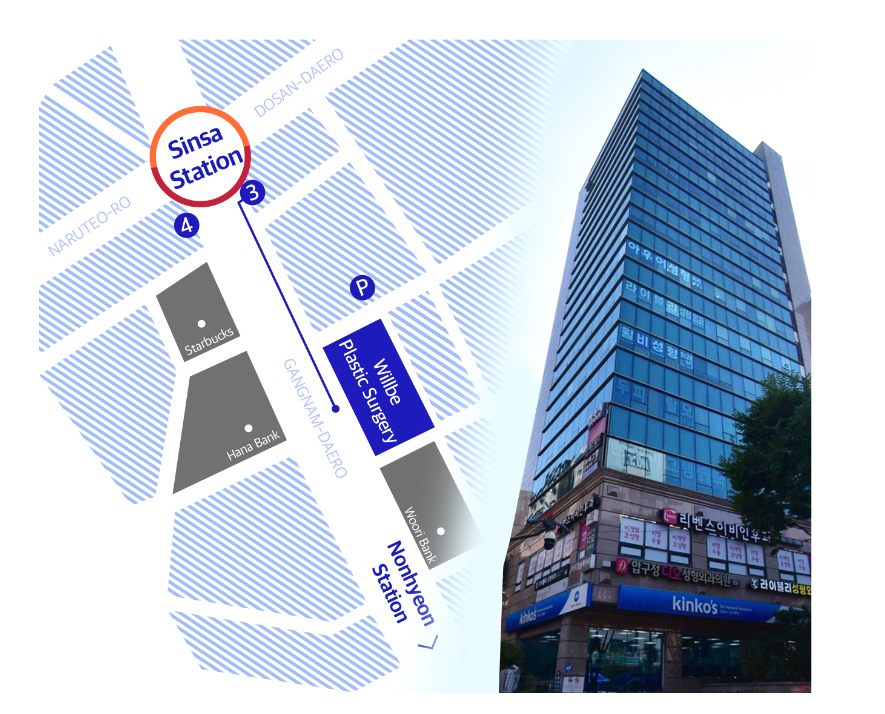
Recovery Hotels Near Gangnam Clinics
Many foreign patients stay near Gangnam because:
- Clinics are concentrated there
- Transportation is easier
- Follow-up visits are more convenient
- Recovery services are nearby
Many clinics also help coordinate:
- Hotel booking
- Airport transfers
- Recovery transportation
for international patients.
Revision Surgery Requires More Patience
Revision surgery recovery is usually slower because tissues are already altered.
Revision procedures often involve:
- Scar tissue
- Weakened structural support
- Previous implants
- Delicate healing
Patients should generally plan longer stays for revision surgery whenever possible.
Emotional Recovery Is Also Important
Many patients feel emotionally stressed during recovery because:
- Swelling changes daily
- Bruising appears dramatic temporarily
- Results evolve slowly
Remaining in Seoul during early healing often helps patients feel more reassured because follow-up support remains easily accessible.
What Happens During Follow-Up Visits?
Follow-up visits commonly include:
- Swelling evaluation
- Wound cleaning
- Stitch removal
- Scar care
- Recovery photography
- Healing assessment
Some clinics also provide:
- Anti-swelling laser treatment
- Lymphatic massage
- Scar therapy
during postoperative visits.
Why Korea Is Famous for Recovery Management
Korean plastic surgery clinics are internationally respected for highly organized recovery systems.
Many clinics specifically design their postoperative care for foreign patients recovering away from home.
This combination of:
- Surgical expertise
- Detailed recovery care
- Structured follow-up systems
- International patient support
has helped Seoul become one of the world’s leading cosmetic surgery destinations.
Signs You May Need a Longer Stay
Some patients benefit from staying longer if they experience:
- Significant swelling
- Delayed healing
- Extensive revision surgery
- Anxiety during recovery
- Multiple combined procedures
Longer stays often allow more comfortable and less stressful healing.
Why International Patients Continue Choosing Seoul
Seoul remains one of the world’s top medical tourism destinations because Korean clinics commonly combine:
- Advanced surgical expertise
- Natural-looking results
- Sophisticated recovery systems
- Organized international patient care
- High-volume specialist experience
Gangnam especially remains globally recognized for facial rejuvenation and revision surgery expertise.
Final Thoughts on How Long Should You Stay in Seoul After Facial Surgery?
The ideal length of stay in Seoul after facial surgery depends on the procedure, recovery complexity, and individual healing process. Minor procedures such as eyelid surgery may require approximately one week, while facelift surgery, revision rhinoplasty, facial contour surgery, and full facial rejuvenation commonly require two to three weeks or longer for safe follow-up care and swelling management.
Korean plastic surgery clinics are internationally respected for advanced recovery systems, natural-looking aesthetic philosophy, and highly organized postoperative support for international patients. With detailed follow-up care, sophisticated swelling management, and experienced medical tourism infrastructure, Seoul continues to remain one of the world’s leading destinations for facial rejuvenation and cosmetic surgery.