What Foreign Patients Should Know Before Surgery in Korea
Korea has become one of the world’s leading destinations for cosmetic surgery because Korean plastic surgeons are internationally respected for advanced surgical expertise, natural-looking results, sophisticated facial harmony, and highly organized medical tourism systems. Every year, thousands of international patients travel to Seoul and Gangnam for procedures such as rhinoplasty, facelift surgery, blepharoplasty, facial contouring, body contouring, breast surgery, and skin rejuvenation treatments.
However, traveling abroad for surgery requires careful planning and realistic preparation. Understanding the consultation process, recovery expectations, cultural differences, and medical systems in Korea can help foreign patients feel safer, more comfortable, and more confident before surgery.

Korea Specializes in Natural-Looking Surgery
One of the biggest reasons patients choose Korea is the Korean aesthetic philosophy.
Modern Korean cosmetic surgery commonly focuses on:
- Natural facial harmony
- Elegant refinement
- Balanced proportions
- Soft contour transitions
- Preserving facial identity
rather than dramatic or exaggerated transformation.
Patients increasingly travel to Seoul because Korean surgeons are known for creating refined and youthful results that do not appear obviously surgical.
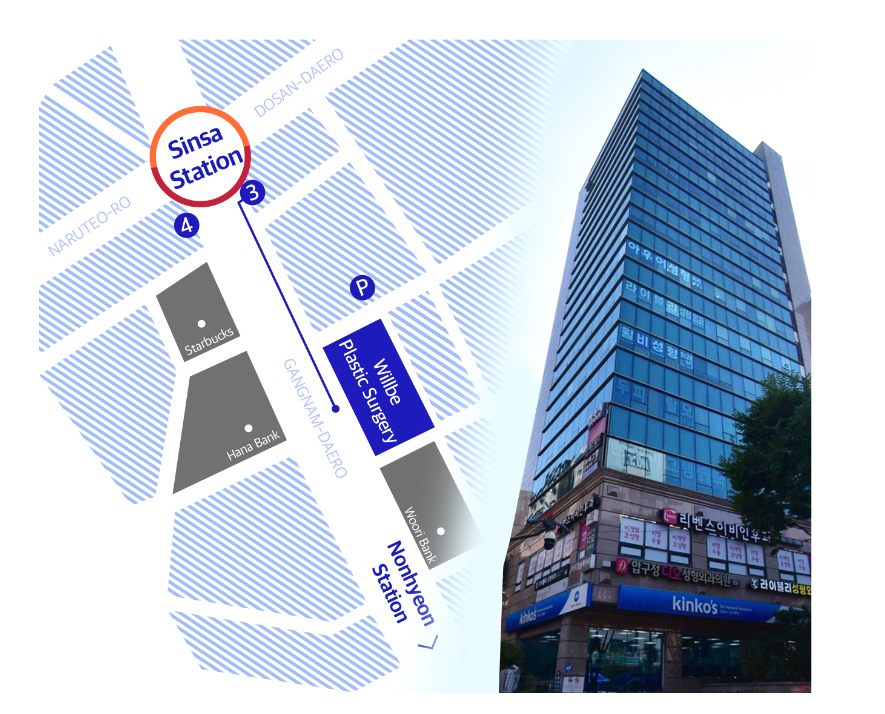
Gangnam Is the Main Plastic Surgery District
Gangnam is considered the center of Korea’s cosmetic surgery industry.
Many internationally recognized clinics are concentrated there, especially for:
- Rhinoplasty
- Revision surgery
- Facelift surgery
- Blepharoplasty
- Facial contour surgery
- Dermatology treatments
Gangnam clinics are generally highly experienced with international patients and often provide multilingual support systems. (medicaltour.gangnam.go.kr)
Research the Surgeon Carefully
Choosing the right surgeon is one of the most important decisions.
Patients should evaluate:
- Board certification
- Specialization
- Before-and-after photos
- Revision experience
- Consultation quality
- Natural-looking results
Patients should also confirm:
- Who performs the surgery
- Whether the consultation doctor is the actual surgeon
- Whether assistants participate during surgery
Strong clinics are usually transparent about surgical responsibility.
Revision Surgery Requires Extra Expertise
Revision surgery in Korea is extremely common because many international patients travel to Seoul after unsatisfactory surgery elsewhere.
Revision procedures commonly include:
- Revision rhinoplasty
- Revision facelift
- Revision blepharoplasty
- Facial contour revision
Revision surgery is generally more complicated because of:
- Scar tissue
- Altered anatomy
- Structural weakness
Patients considering revision surgery should specifically choose surgeons experienced in corrective procedures.
Understand That Consultations May Be Different
Korean consultations can feel faster and more direct compared to Western consultations.
Some clinics operate at very high volume.
Patients should prepare questions beforehand regarding:
- Procedure details
- Recovery timeline
- Risks
- Revision possibility
- Swelling expectations
- Long-term maintenance
A good consultation should still feel:
- Personalized
- Honest
- Detailed
- Educational
rather than rushed or sales-focused.
Translation Services Are Common
Many clinics assisting international patients provide:
- English-speaking coordinators
- Chinese interpretation
- Japanese interpretation
- Russian support
- Thai or Vietnamese support in some clinics
Clear communication is extremely important before surgery.
Patients should never feel pressured to proceed if communication remains unclear.
Recovery Is a Major Part of Korean Surgery Culture
Korean clinics place strong emphasis on postoperative care.
Many clinics commonly provide:
- Frequent follow-up visits
- Anti-swelling laser therapy
- Scar management
- Recovery monitoring
- Lymphatic drainage massage
- Swelling injections
This recovery-focused system is one reason many foreign patients feel comfortable recovering in Korea.
Expect Swelling and Bruising
Many patients underestimate how dramatic early swelling may appear.
Common temporary symptoms include:
- Swelling
- Bruising
- Tightness
- Numbness
- Temporary asymmetry
This is normal during healing.
Results often improve gradually over:
- Weeks
- Months
- Sometimes over a year in revision rhinoplasty cases
Patience is extremely important.
Plan Enough Time in Korea
One of the biggest mistakes foreign patients make is planning too short of a stay.
Recommended stays vary depending on surgery type.
Minor Procedures
- 5–7 days may be sufficient
Examples:
- Double eyelid surgery
- Minor facial contour procedures
- Facial liposuction
Major Surgery
- 2–3 weeks are commonly recommended
Examples:
- Facelift surgery
- Revision rhinoplasty
- Facial contour surgery
Patients should remain in Korea long enough for:
- Follow-up visits
- Stitch removal
- Swelling management
- Early complication monitoring
Recovery Hotels and Transportation Matter
Many clinics help coordinate:
- Hotel booking
- Airport transfer
- Recovery transportation
Patients should choose accommodations near the clinic whenever possible, especially after major surgery.
Walking long distances immediately after surgery may feel difficult.
Understand Korean Beauty Standards
Korean beauty philosophy may differ from Western preferences.
Korean surgeons often favor:
- Softer contours
- Smaller and refined features
- Natural elegance
- Balanced proportions
Patients preferring stronger definition or dramatic changes should communicate this clearly during consultation.
Be Honest About Previous Procedures
Patients should disclose:
- Previous surgery
- Fillers
- Implants
- Thread lifts
- Medical conditions
- Smoking habits
- Medications
Especially in revision surgery, hidden prior procedures can significantly affect surgical planning and safety.
Recovery Takes Emotional Patience
Many patients feel emotionally stressed during recovery because:
- Swelling changes daily
- Bruising can look dramatic
- Results evolve slowly
This emotional stage is completely normal.
Final results often appear much softer and more natural after swelling resolves gradually.
Korean Clinics Often Emphasize Scar Care
Scar management is highly prioritized in Korea.
Clinics commonly provide:
- Scar ointments
- Laser scar treatment
- Silicone therapy
- Long-term follow-up monitoring
Korean surgeons are internationally respected for delicate incision placement and scar minimization techniques.
Non-Surgical Treatments Are Also Extremely Advanced
Korea is also known globally for advanced non-surgical rejuvenation treatments such as:
- Ultherapy
- Thermage FLX
- Rejuran
- Exosomes
- Skin boosters
- RF microneedling
- Laser resurfacing
Some patients benefit more from non-surgical treatment than major surgery depending on their anatomy and aging stage.
Avoid Choosing Clinics Based Only on Price
Although Korea can be more affordable than some Western countries, extremely low pricing may sometimes indicate:
- Factory-style systems
- Less personalized care
- Limited consultation time
- Lower aftercare quality
Patients should prioritize:
- Surgeon expertise
- Safety systems
- Recovery management
- Natural-looking results
rather than discounts alone.
Why International Patients Continue Choosing Korea
Korea continues leading global medical tourism because of its combination of:
- Advanced surgical expertise
- Sophisticated revision surgery
- Natural-looking aesthetics
- High-volume specialist experience
- Organized recovery systems
- International patient infrastructure
Seoul especially remains one of the world’s top destinations for facial rejuvenation and cosmetic surgery.
Final Thoughts on What Foreign Patients Should Know Before Surgery in Korea
Foreign patients considering surgery in Korea should carefully research surgeons, prepare realistic recovery expectations, understand Korean beauty philosophy, and allow enough recovery time in Seoul before traveling home. Korean plastic surgeons are internationally respected for sophisticated facial analysis, natural-looking results, advanced revision surgery expertise, and highly organized postoperative care systems that make Korea one of the world’s leading destinations for cosmetic surgery tourism.
With advanced medical infrastructure, highly refined aesthetic techniques, and strong international patient support systems, Seoul continues to remain one of the safest and most trusted global centers for facial rejuvenation and aesthetic surgery.